
Denim Finishing Automation Made Consistent with xArm
AGI Denim
In Short
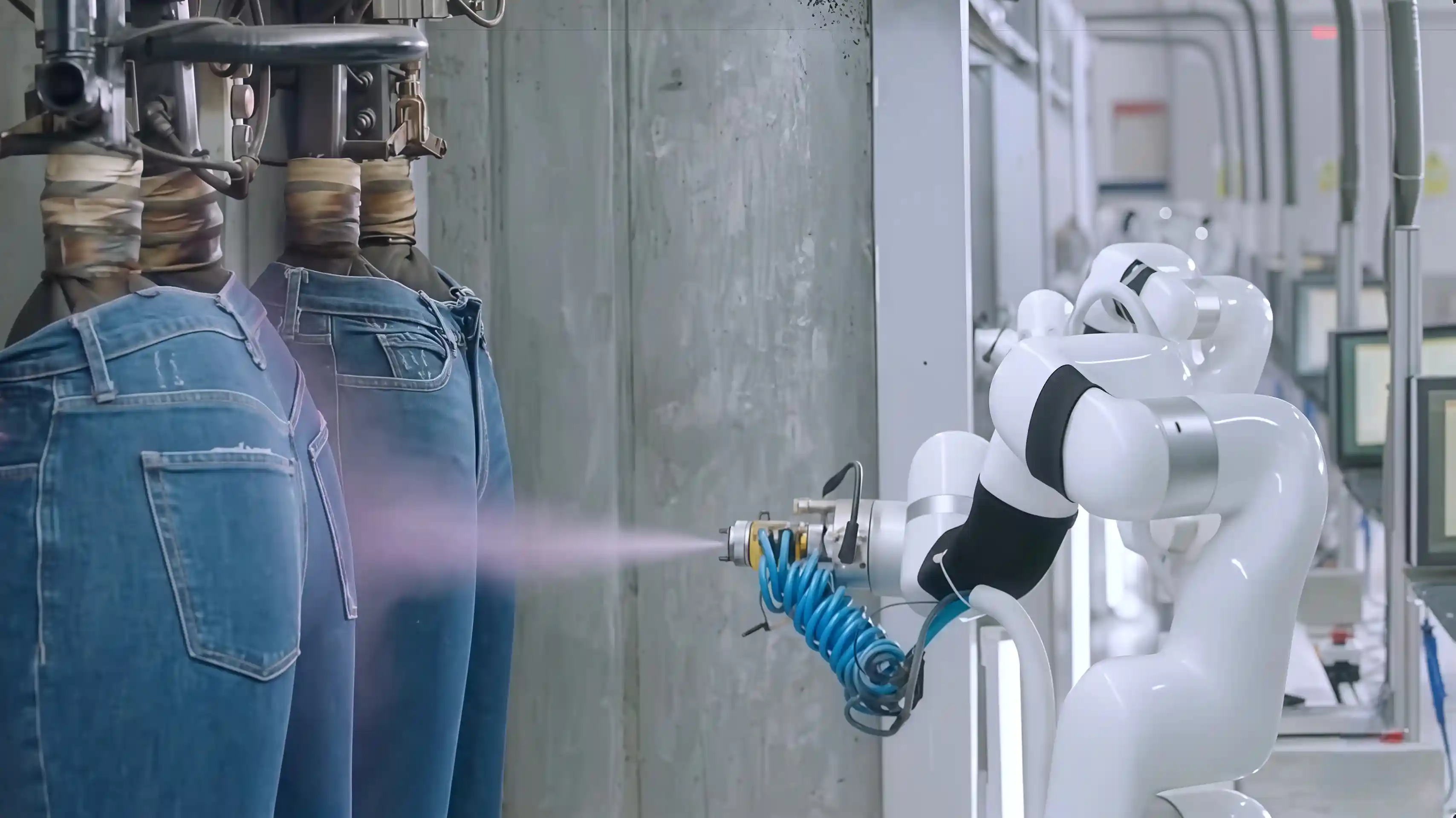
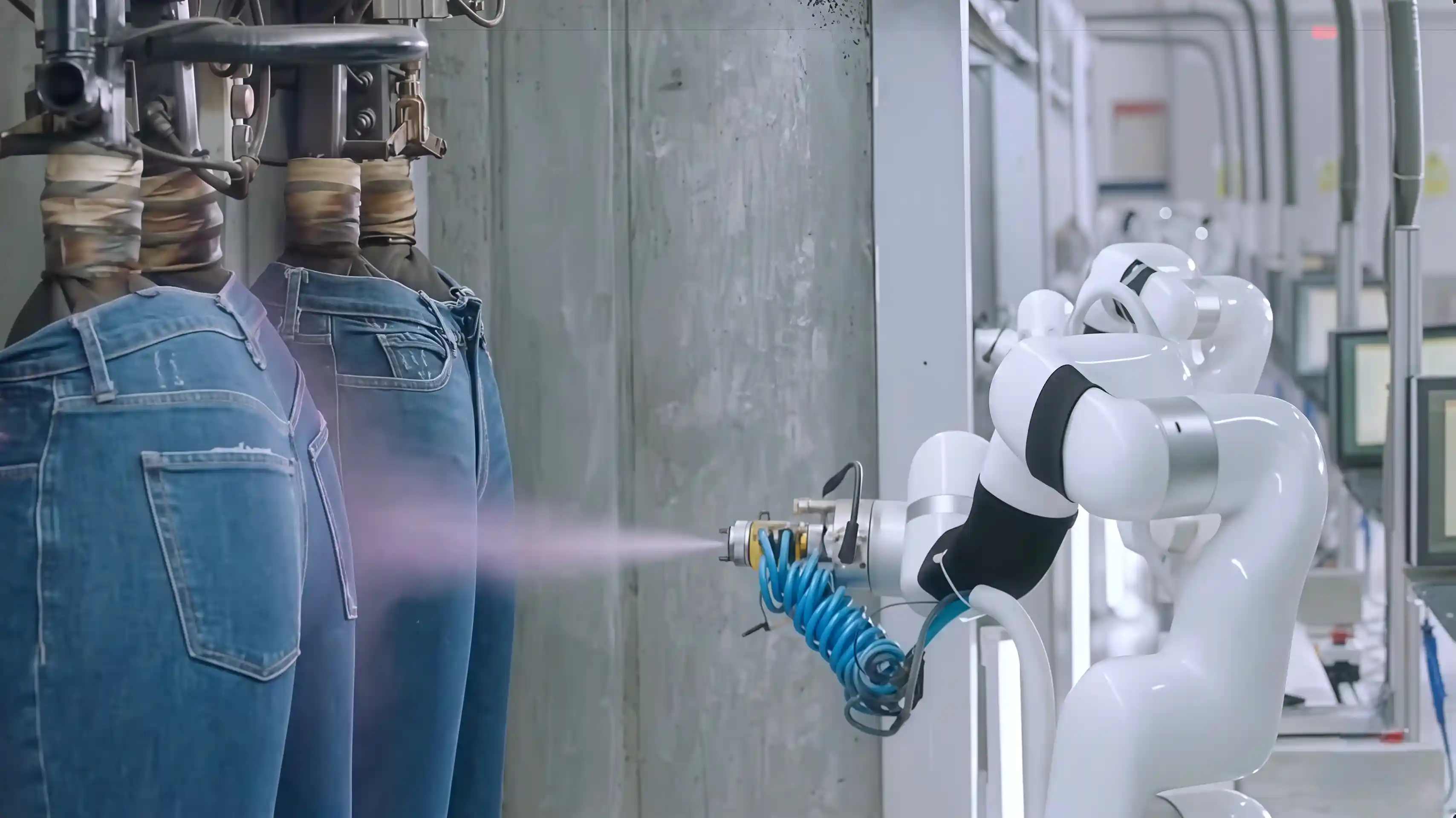
AGI Denim, a global leader in premium denim manufacturing, is committed to redefining the industry through sustainable innovation. By integrating the UFACTORY xArm into their garment finishing department, they have automated the labor-intensive chemical spraying process. This transition from manual spraying to robotic precision has allowed AGI Denim to achieve superior aesthetic consistency while significantly reducing chemical waste and improving worker safety.
Customer Profile

Company:
AGI Denim

Region
Pakistan

Industry:
Textile & Apparel

Application
Automated Denim Spraying

Robot Used:
UFACTORY xArm
Key Benefits
Flexible process programming
Fast deployment and adjustment
High throughput and low maintenance requirements support stronger operating economics
Tasks Solved
Automated denim spray finishing
Repeatable pattern execution
Handling batch-based production variations
Benefits Achieved
Improved consistency of spray quality
Reduced health and safety exposure during chemical spraying
Easier scaling of repeatable finishing processes
The Challenge
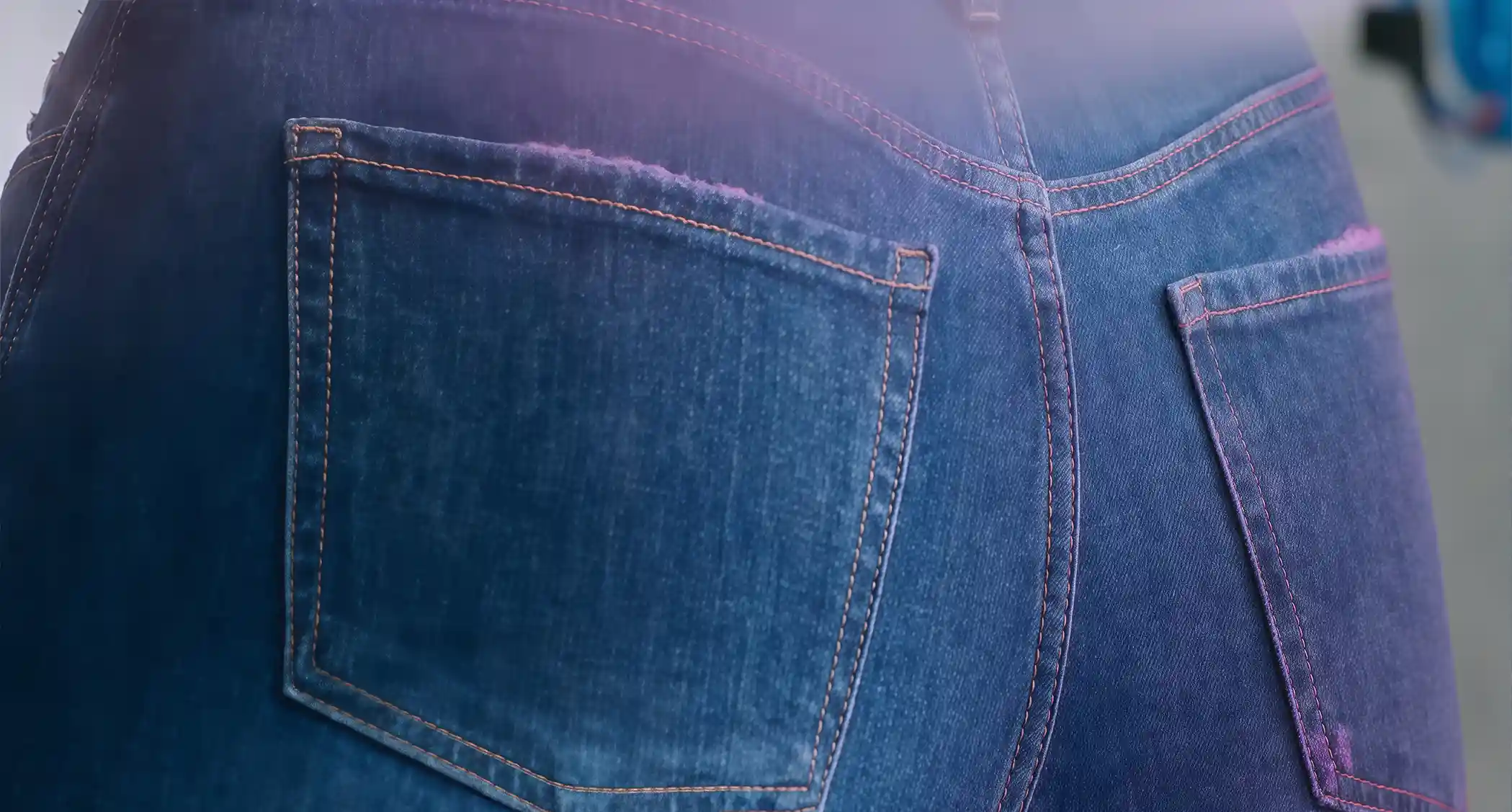
The denim industry is under intense pressure to reduce its environmental footprint while maintaining high production volumes. Traditional manual spraying for vintage effects is not only inefficient but also poses health risks to workers due to chemical exposure.
AGI Denim needed a solution that could replicate the artistry of a human hand—managing complex curves and fades on denim—while operating at a scale that manual labor could not sustain. The hardware needed to be robust enough for chemical environments, yet flexible enough to be reprogrammed quickly for different seasonal designs.
Why UFACTORY
When exploring automation options, AGI Denim needed a solution that could replicate human-like flexibility while improving consistency and safety.
Stable and precise motion control allowed xArm to deliver repeatable spray patterns, reducing variation between garments while maintaining the desired aesthetic effect.
Flexible programming enabled quick adjustments for different styles and finishes, supporting the fast-changing demands of the fashion industry.
Improved safety reduced direct operator exposure to chemicals by shifting spray tasks to an automated system.
Fast deployment allowed the system to be implemented and tested within a short timeframe, minimizing disruption to existing production lines.
Cost-effective automation made it feasible to introduce robotics into a traditionally manual process without requiring large-scale capital investment.
Not sure which model fits your workflow?
Our team will match the right robot and configuration to your needs.