Machine Tending
Background
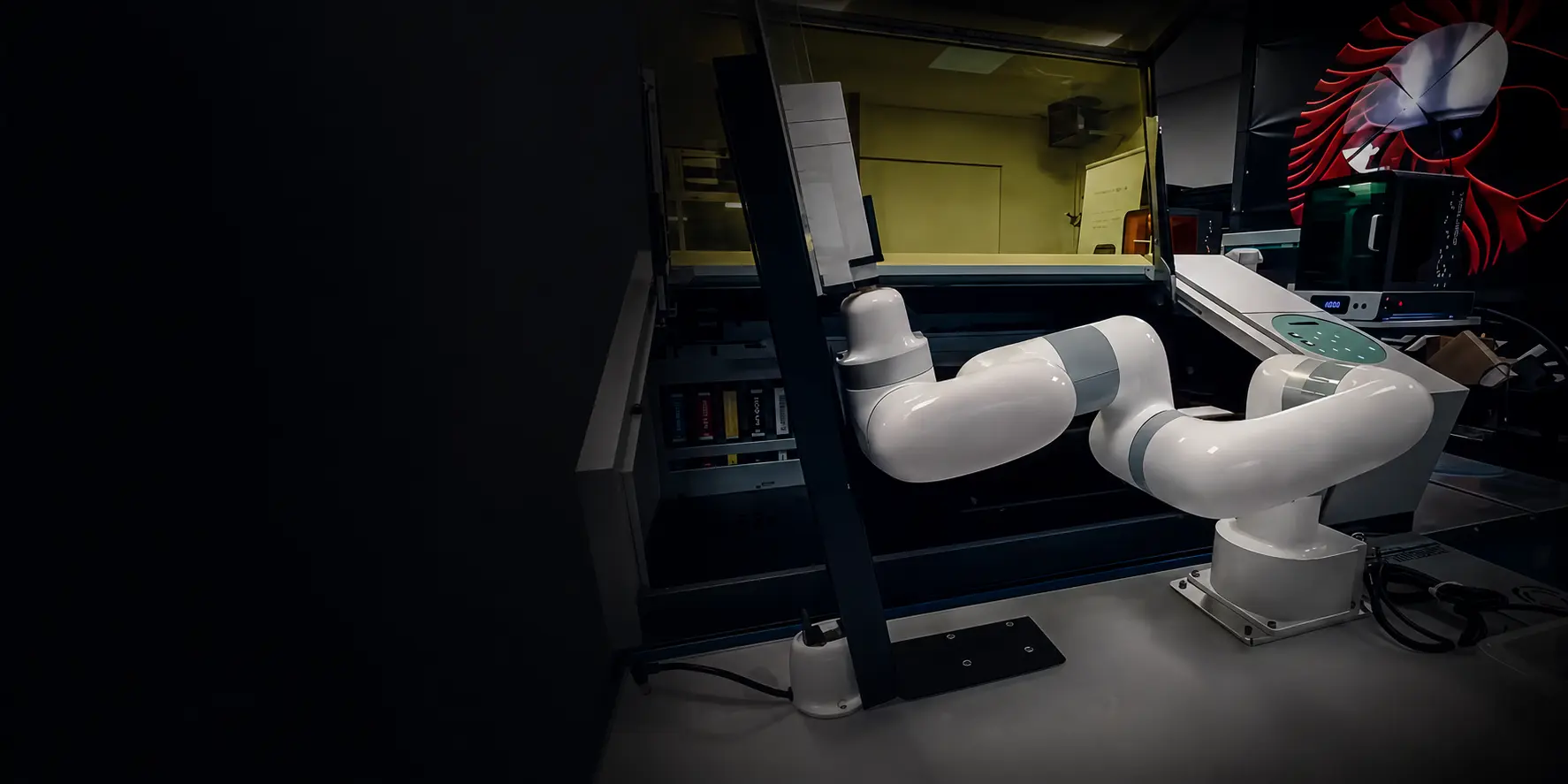
Manufacturers are under pressure to increase machine utilization while skilled operators remain hard to hire. Loading and unloading CNC machines, injection molding machines, presses, and other equipment is repetitive but uptime-critical. For small and midsize shops, the real need is flexible automation that can be deployed beside existing machines without heavy fixtures or long integration cycles.
Industry Pain Points

Why Fixed Automation Falls Short
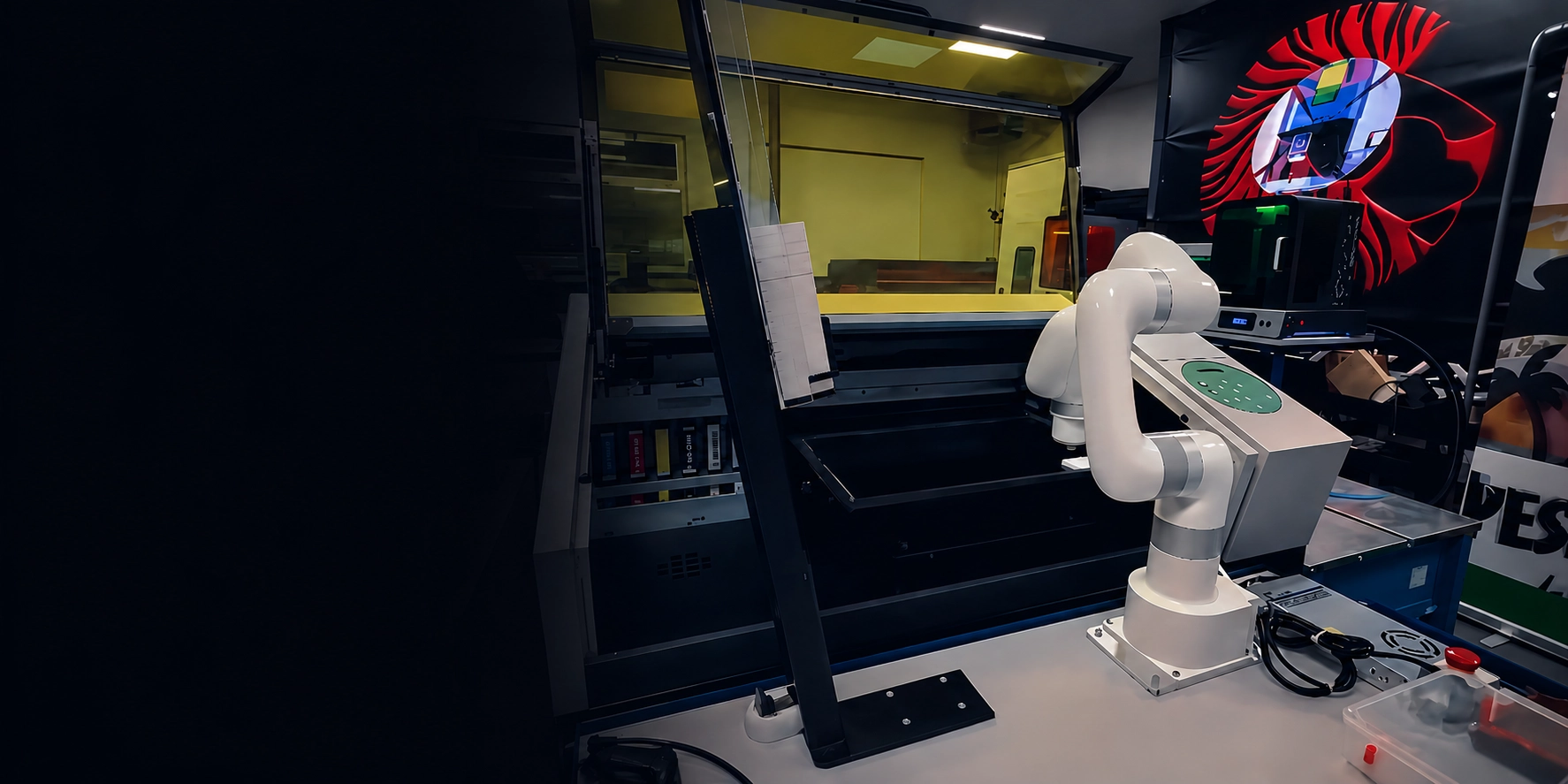
Manual machine tending ties skilled workers to repetitive loading, unloading, door operation, part removal, and tray handling. It limits lights-out production, causes machine idle time, and is difficult to staff across shifts. Fixed automation can be expensive and hard to adapt when parts, fixtures, or machine layouts change.
 01
Longer Machine Uptime
The robot can run repetitive load-unload cycles across shifts, reducing machine idle time and supporting unattended or semi-attended production.
 02
Cost-Effective Automation
Competitive hardware cost helps job shops and integrators automate machine tending with lower upfront investment and a shorter ROI cycle.
 03
Easy Machine Integration
Standard I/O and communication interfaces make it easier to connect with CNC doors, vises, chucks, conveyors, trays, and other machine-side equipment.
 04
Open Control Platform
Python, C++, and ROS/ROS2 SDKs let integrators build loading logic, machine signals, and cell workflows around each production setup.
 05
Compact Cell Layout
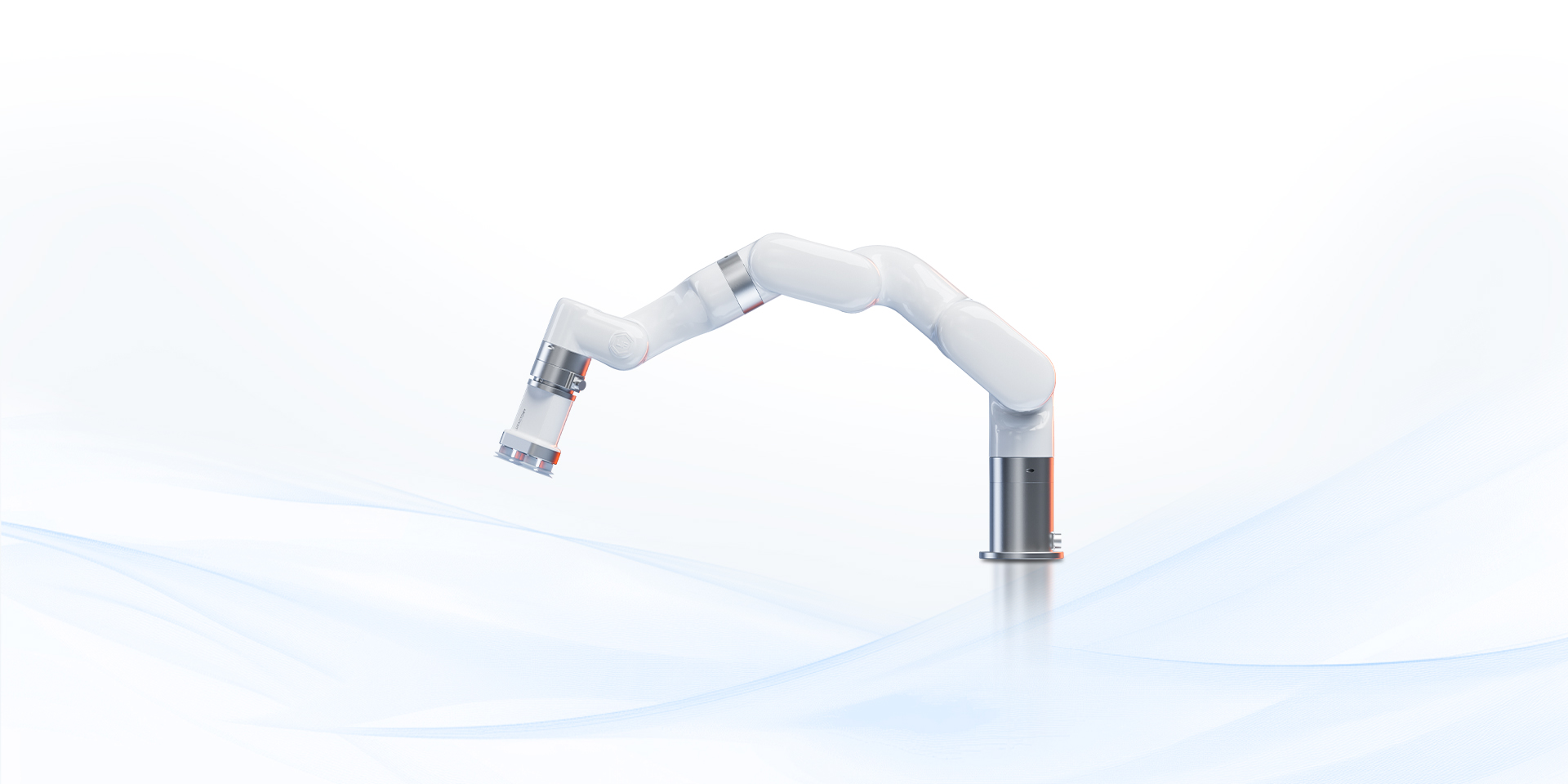
The lightweight carbon-fiber robot body supports bench-side, pedestal, or mobile deployment without taking excessive floor space around existing machines.
 06
Repeatable Loading
Stable repeatability helps place raw parts into fixtures and remove finished parts consistently, reducing misloads and keeping downstream operations aligned.
 07
Collaborative Deployment
Built-in collision detection supports collaborative layouts where operators and robots work nearby. Final guarding depends on the machine, tooling, and cell risk assessment.
 08
Flexible Changeover
When parts or fixtures change, integrators can update tooling, programs, and paths instead of rebuilding a dedicated automation cell.
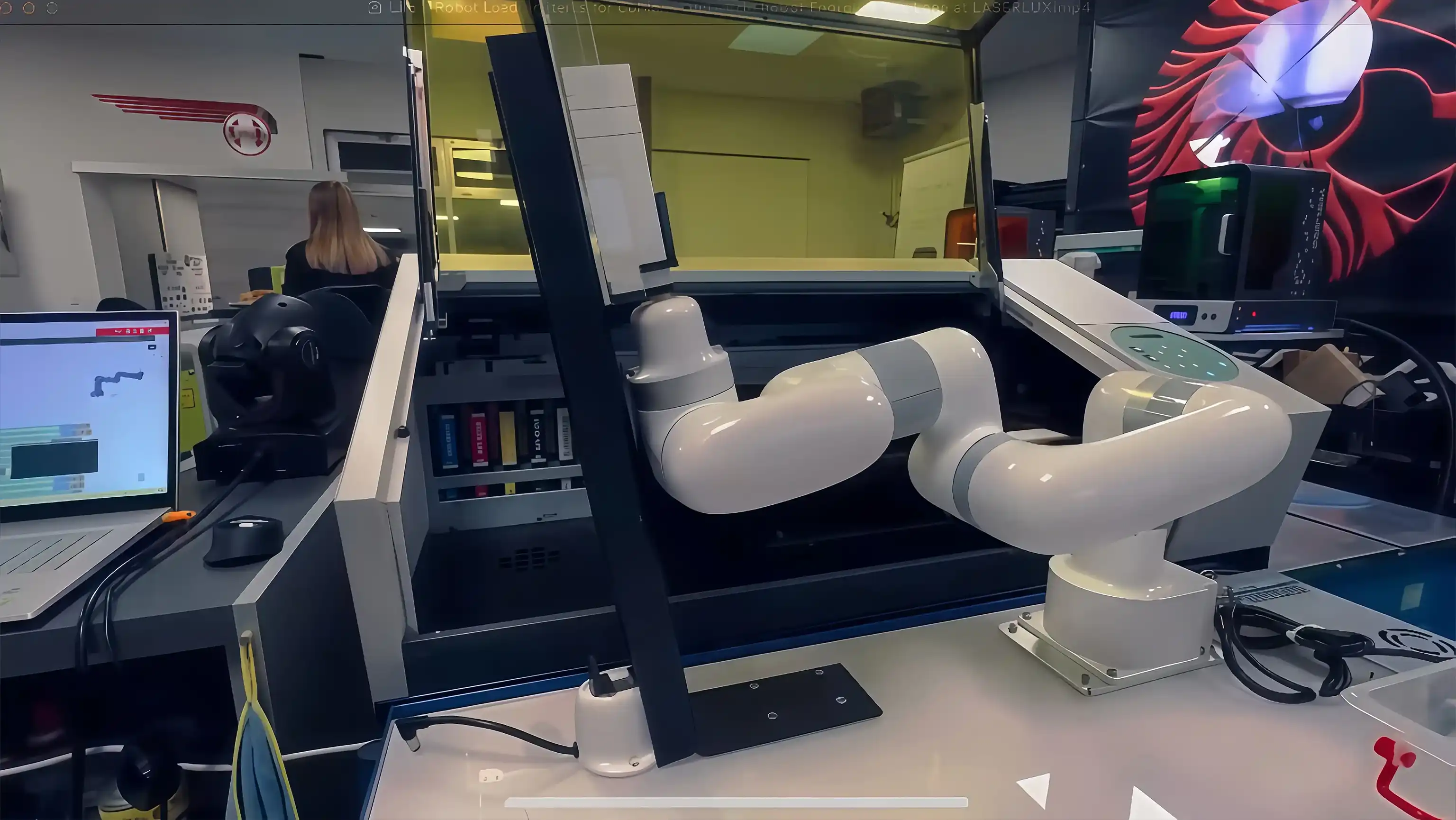
Not sure which model fits your workflow?
Our team will match the right robot and configuration to your needs.