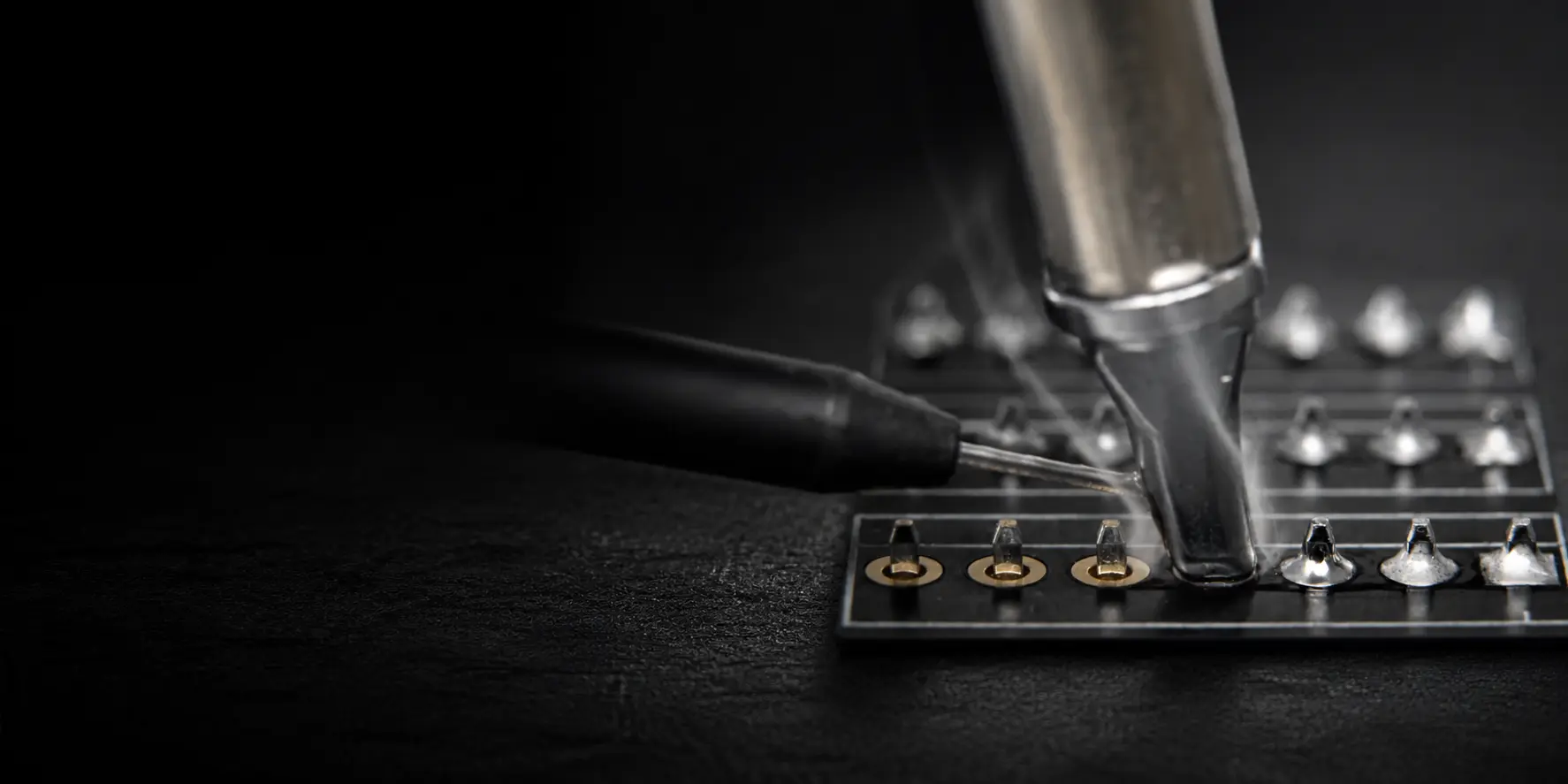
Soldering
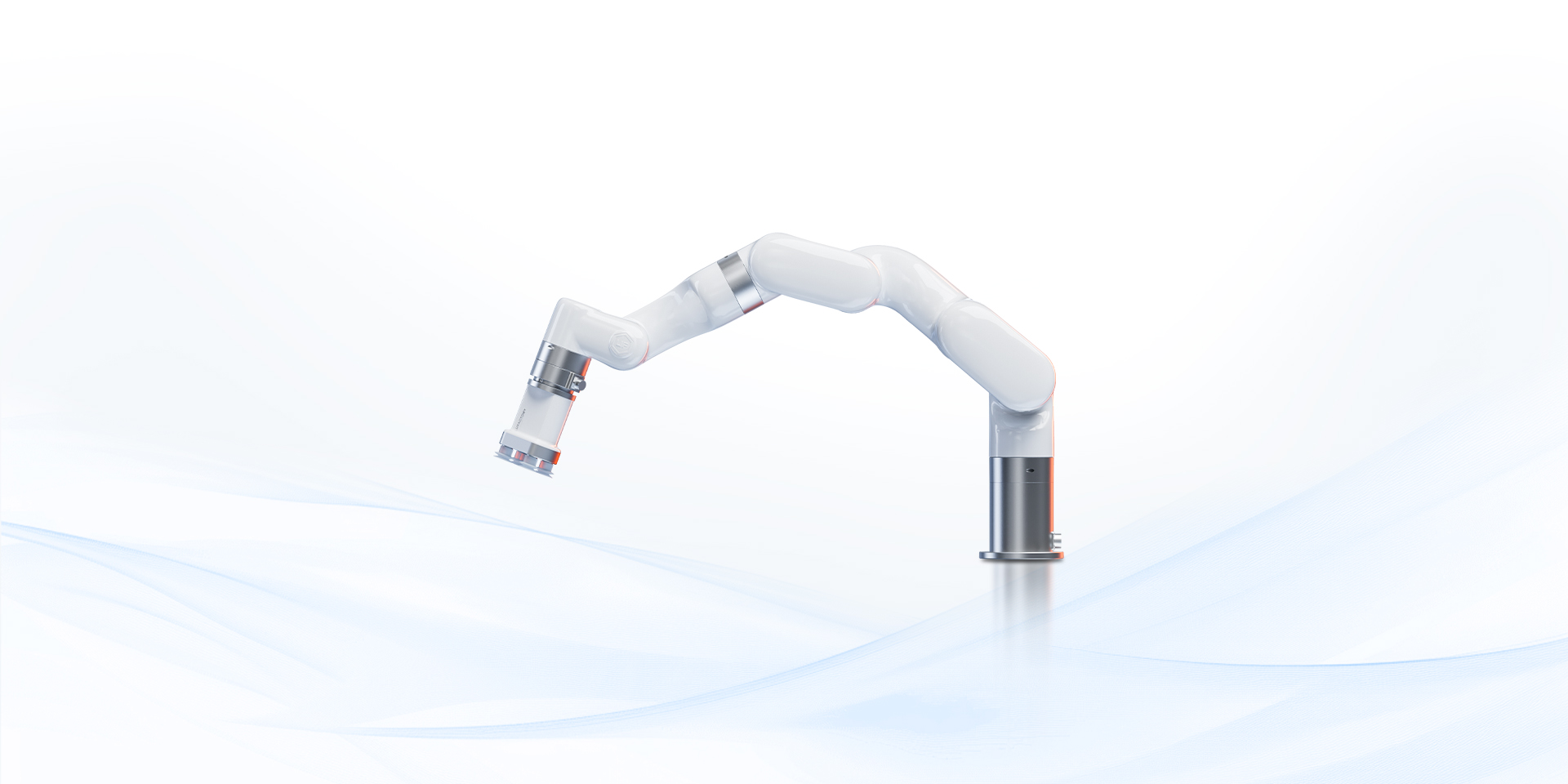
Background
In electronics manufacturing, demand is growing for automated soldering of wires, connectors, terminals, circuit boards, sensors, and small electronic assemblies. Manual soldering depends heavily on operator skill and is difficult to keep consistent across long shifts. For high-mix production, manufacturers need a flexible automation solution that can handle precise soldering paths, frequent product changes, and stable process quality without the cost and rigidity of traditional automation.

Industry Pain Points

Consistency, Precision, and Changeovers
Manual soldering is skill-dependent and can lead to inconsistent joint quality.
Small components, tight spaces, and delicate parts require precise tool positioning.
High-mix, small-batch production needs fast changeover between products and fixtures.
Heat, fumes, flux, and repetitive hand motions create an uncomfortable work environment.
Poor solder joints can cause rework, electrical failure, and downstream quality issues.
 01
Cost and ROI
Competitive hardware cost gives small and midsize electronics manufacturers and integrators an advantage in procurement, integration, and project payback.
 02
High-Precision Soldering Motion
With ±0.02 mm repeatability, the UFACTORY 850 delivers precise, repeatable motion for soldering points, wires, terminals, and connector pins, helping improve solder joint consistency and reduce process variation.
 03
Easy 2D/3D Camera Integration
The UFACTORY 850 features built-in Gigabit Ethernet, making it easier to integrate 2D/3D cameras for part locating, fixture checking, solder point recognition, and position correction in flexible electronics assembly.
 04
Plug-and-Play Tooling
The ISO flange and standard I/O support soldering irons, solder wire feeders, flux dispensers, tip cleaners, fume extraction systems, fixtures, sensors, and inspection devices.
Open Development
ROS/ROS2 packages and Python/C++ SDKs help connect soldering programs, vision results, process parameters, tool control, MES data, and inspection workflows.
 06
Flexible Changeover
When PCB layouts, wire types, connector positions, or product models change, teams can update soldering paths and process programs for high-mix, small-batch production.
 07
Consistent Solder Quality
The robot follows preset soldering positions, angles, speeds, dwell times, and tool paths, helping reduce missed joints, uneven solder, cold joints, and operator variation.
 08
Safer Work Environment
Automation helps reduce repetitive manual soldering and operator exposure to heat and fumes when used with proper guarding and fume extraction.
 09
Stable Production Cycle
Continuous locate, solder, clean tip, inspect, and transfer cycles help improve process repeatability and support more stable electronics production.
Not sure which model fits your workflow?
Our team will match the right robot and configuration to your needs.